
Why Mature Projects Place More Emphasis on the “Invisible Parts”
In the field of engineering construction, piping systems are often considered part of the infrastructure. They are not as visually prominent as main equipment, nor are they as easily the focus of decision-making as core components. However, in actual operation, it is precisely these “invisible, intangible” systems that determine whether an engineering project can operate safely and stably in the long term. As project scales continue to expand and operating cycles lengthen, more and more engineering practices are repeatedly proving that the design level and equipment selection of piping systems directly affect the entire life cycle value of the project.
From a functional perspective, piping systems undertake the basic tasks of media transportation, energy transfer, and system connection. However, in real working conditions, pipes are not static structures but are constantly in a state of dynamic change. Thermal expansion and contraction caused by temperature changes, periodic fluctuations in media pressure, changes in external environmental conditions, and minor settlements of building structures all continuously act on the piping system itself. The superposition of these factors means that pipes and their connecting components are subjected to complex stresses over the long term. Without reasonable release and adjustment mechanisms, system risks will accumulate imperceptibly.
Many engineering problems do not manifest themselves in the initial stages of operation, but gradually appear after several years of operation. For example, localized leaks, fatigue at connection points, and abnormal equipment vibration are often not caused by single point failures, but are the result of long-term stress. Once such problems occur, they are not only difficult to repair, but often require system shutdown, directly impacting production or public services. Therefore, mature engineering projects are increasingly emphasizing “proactive control,” that is, eliminating potential hazards as much as possible during the design and selection stages.
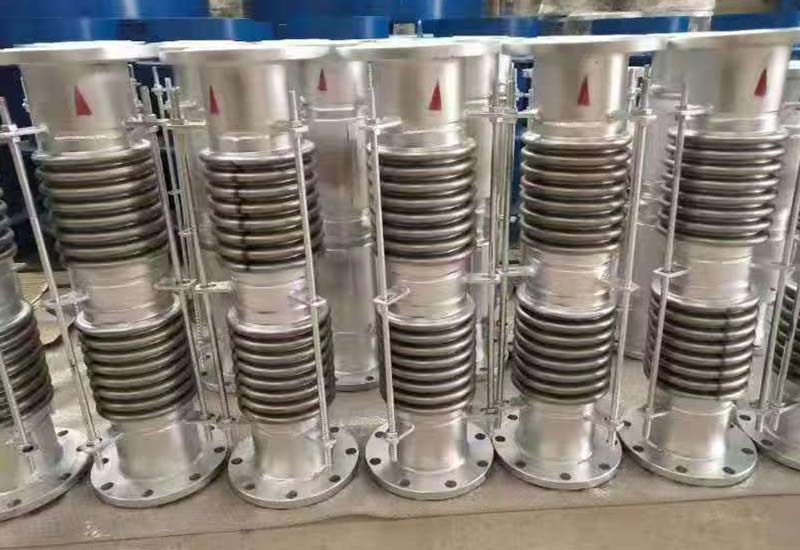
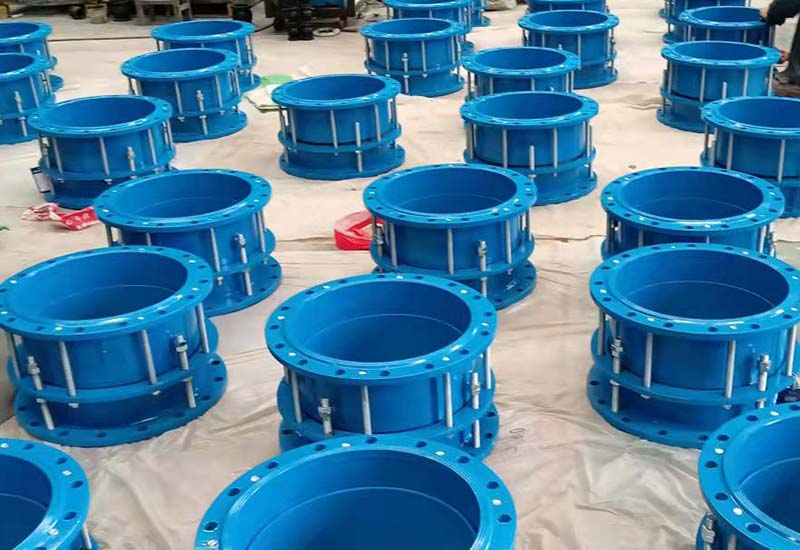
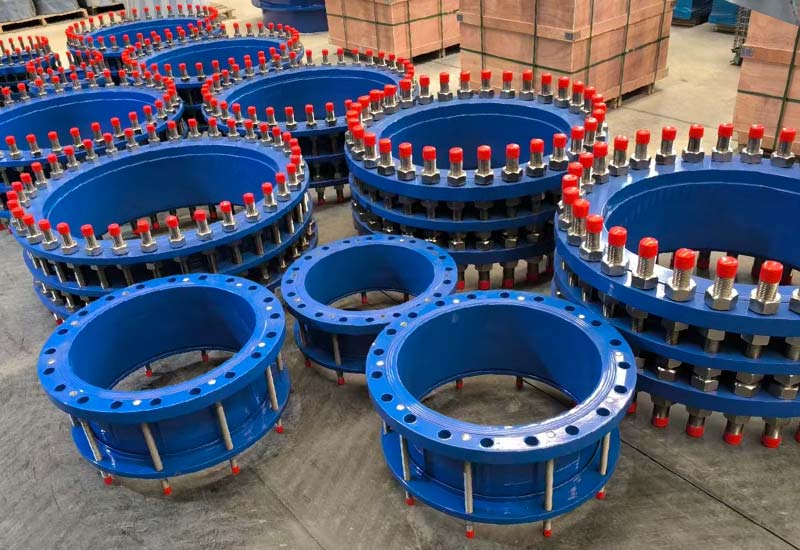
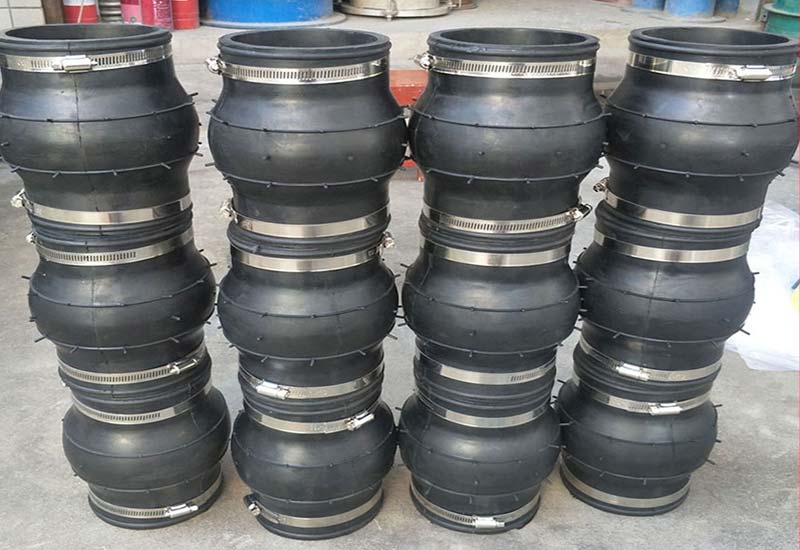
Against this backdrop, the importance of pipe compensation, connection, and system matching capabilities is constantly being amplified. By rationally setting up compensation structures, deformation caused by temperature and displacement can be effectively absorbed, avoiding stress concentration; stable and reliable connection methods can reduce the risk of force transmission between equipment, protecting key devices such as pumps and valves; and systematic matching design allows various components to work together under the same operating logic, rather than independently.
From a project management perspective, this systematic thinking is gradually replacing the previous “single-product thinking.” More and more engineering owners and design units are realizing that simply purchasing products with “qualified parameters” is far from enough; what is more important is whether these products are truly suitable for the actual working conditions of the project. Especially in large-scale engineering projects and long-term operational projects, the stability, maintainability, and consistency of equipment are often more decisive than the initial purchase price.
At the same time, the role of manufacturing in engineering projects is also changing. In the traditional model, manufacturing companies primarily execute production tasks according to drawings. However, in the current trend, manufacturers with engineering understanding and customization experience are beginning to play a greater role in the design phase. By participating in working condition analysis and solution discussions, manufacturers can provide more feasible suggestions from the perspectives of manufacturability, structural rationality, and long-term operational experience, reducing the risk of later adjustments and rework.
From the perspective of industry development trends, this change is not accidental. As engineering standards continuously improve and project responsibilities increase, optimizing a single link is no longer sufficient to guarantee overall success. System safety, long-term stability, and controllable risks are becoming important goals in engineering decision-making, and piping systems are one of the key components in achieving these goals.
Therefore, truly mature engineering projects often do not overlook the value of piping systems. They invest more effort in working condition analysis during the design phase, place greater emphasis on manufacturing capabilities and quality systems during the selection phase, and emphasize standardization and consistency during the implementation phase. This seemingly “conservative” approach is actually a reflection of responsibility for long-term operation.
As the industry gradually shifts from “rapid construction” to “long-term operation,” the importance of piping systems will only continue to increase. For customers who hope their projects will operate stably for ten, twenty years, or even longer, understanding and valuing these fundamental yet critical systems is a sign of maturity and professionalism.