
Reducing System Life Cycle Costs from the Design Stage
In engineering projects, the design of pipeline systems often focuses on initial construction costs, neglecting the maintenance, repair, and replacement costs during long-term operation. However, from a life cycle perspective, the true determinant of a system’s economic efficiency is not the one-time purchase price, but rather the system’s stability and maintainability over many years of operation. Pipeline life cycle management is a crucial concept that brings this long-term perspective forward to the engineering design and equipment selection stages.
Pipeline systems are continuously subjected to various combined stresses during operation, including thermal expansion and contraction caused by temperature changes, internal media pressure fluctuations, external environmental factors, and structural settlement. These factors work together, keeping the pipes and their connecting components in a dynamic state of stress. If these long-term effects are not fully considered during the design phase, the system may operate normally in the short term, but over time, hidden damage will accumulate, eventually manifesting as leaks, deformation, or even failure.
The first step in life cycle management begins with a comprehensive understanding of operating conditions. Engineering design should not only specify design pressure and temperature, but also evaluate the range of variations in the system during startup, shutdown, and under extreme conditions, based on actual operating experience. Many engineering problems do not occur during stable operation, but rather during fluctuations in operating conditions; therefore, predicting dynamic operating conditions is crucial.
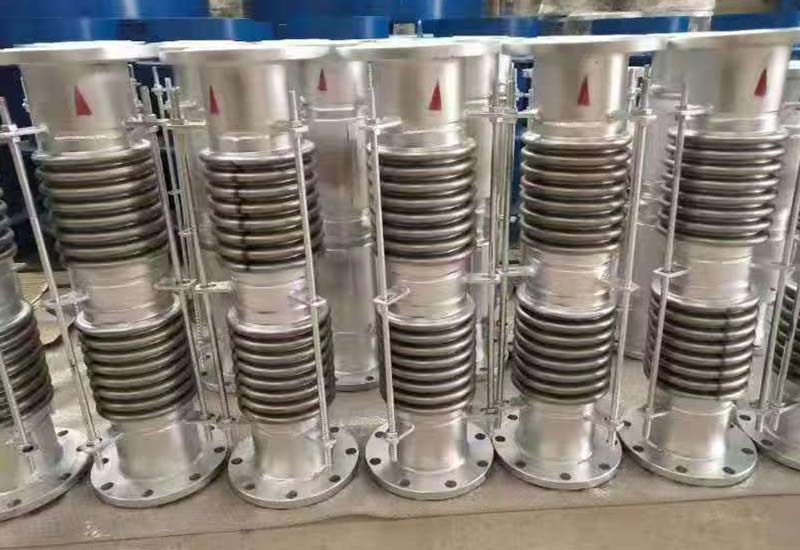
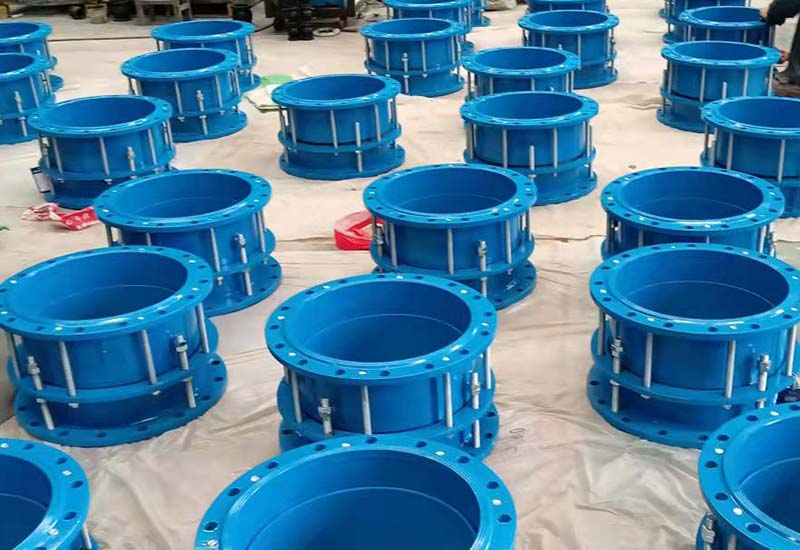
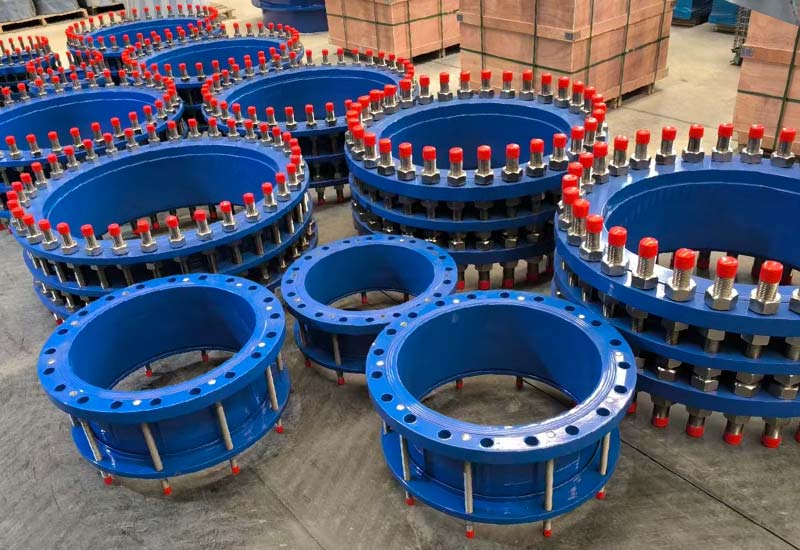
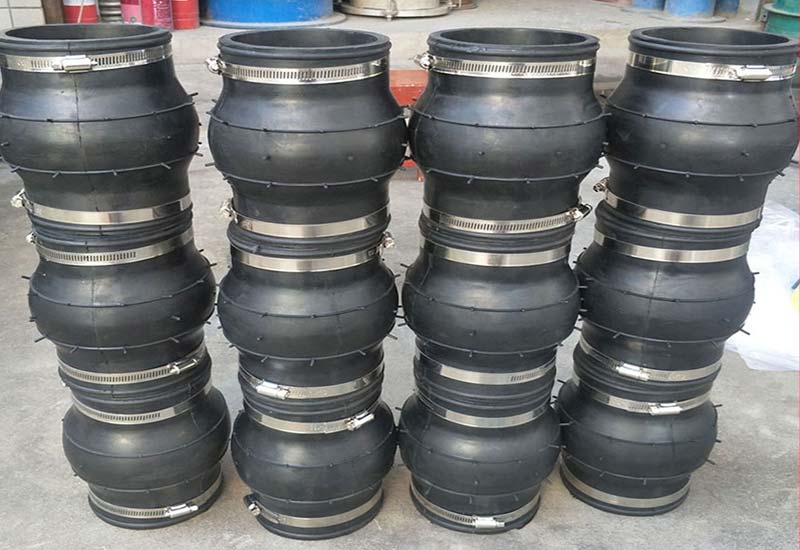
Secondly, reasonable structural design and equipment selection are core to extending system life. By installing appropriate compensation and connection devices, the displacement and stress generated in the pipes can be effectively released, significantly reducing fatigue damage in critical areas. This “structure for longevity” design approach, while potentially increasing initial costs, can significantly reduce maintenance frequency and the risk of sudden failures in the long run.
Material selection also directly impacts system life. Different media have significantly different corrosive effects on materials. If the material properties do not match the actual media, the inner wall of the pipe will gradually deteriorate, leading to a decrease in pressure bearing capacity. Instead of simply meeting standard requirements, more attention should be paid to the material’s stability performance in the long-term operating environment.
From a management perspective, life cycle management does not mean pursuing “never-ending service life,” but rather ensuring stable operation of equipment within a controllable cycle through scientific design, and performing maintenance or replacement at appropriate times. This predictable and planned management approach is far more economical than passively responding to sudden failures. Therefore, integrating life cycle management concepts into pipeline system design and product selection can not only improve system safety but also provide project owners with a clearer and more controllable long-term cost structure.